
About This Project
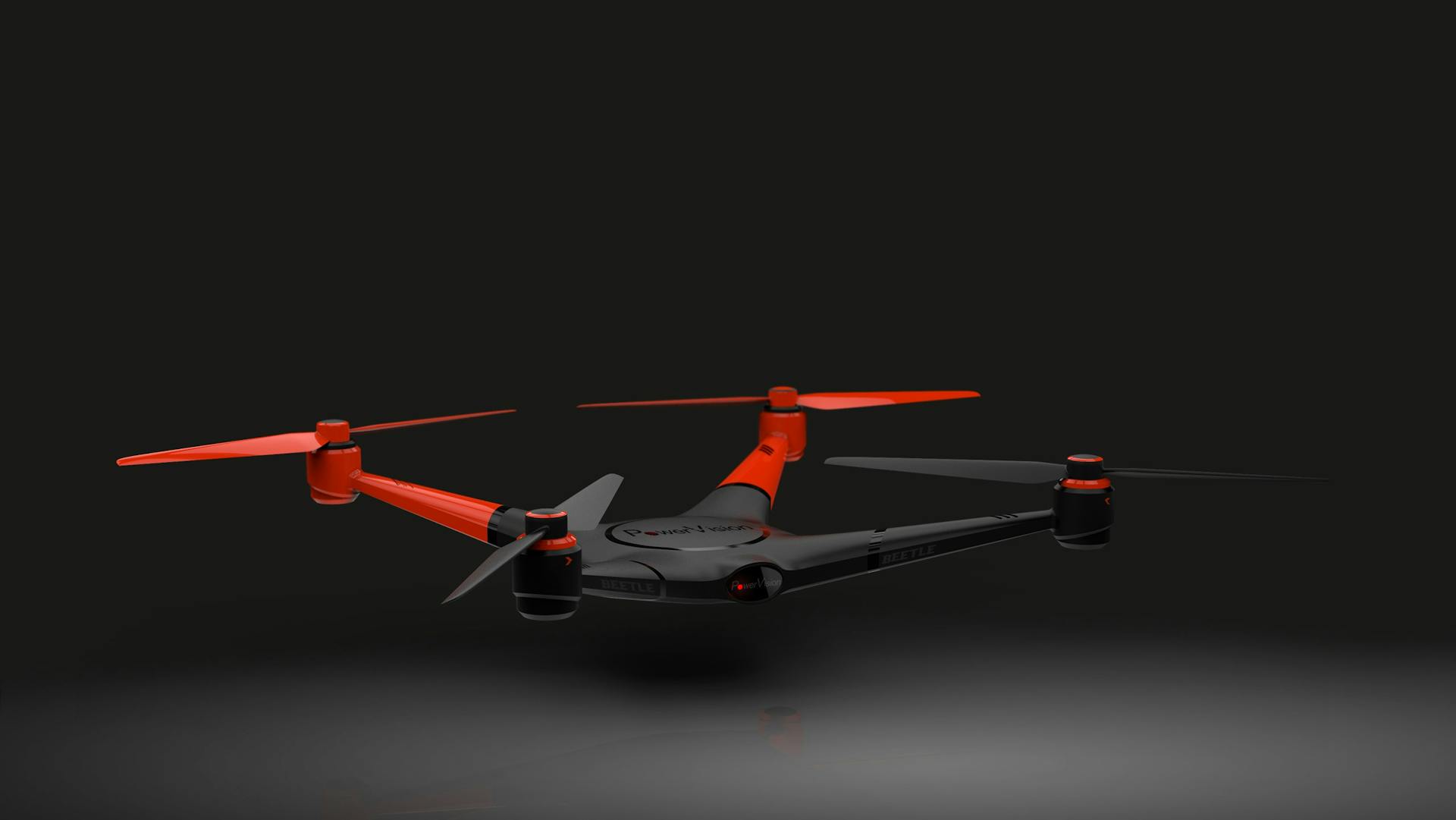
This project focuses on the development of a high-speed interceptor drone for military applications. A globally distributed team of engineers, spanning eight time zones and multiple disciplines, collaborated to design an innovative solution capable of addressing emerging aerial threats.
At the time of engagement, the project had come to a complete standstill. The mandate was to reactivate the initiative, restore momentum, and lead it through a structured transition toward its next development phase.
Operating in a rapidly evolving geopolitical and technological landscape, the project required accelerated decision-making, clear strategic direction, and alignment across international stakeholders.
The Challenge
The objective was to develop an autonomous interceptor drone capable of engaging and neutralizing aerial targets traveling at speeds of up to 250 km/h.
Upon assuming project leadership, the initiative was inactive and lacked a clear direction. The first step involved a full project assessment, followed by the development of a comprehensive mission profile. This profile formed the foundation for both tactical and technical specifications.
The project was then restructured into focused sub-projects, each assigned to specialized expert teams to improve efficiency and accountability across the distributed organization.
As the project progressed toward the prototyping phase, efforts shifted toward real-world validation and industrialization. This included identifying and securing a co-development partner for production. To accelerate this process, on-site engagement in the target country enabled local testing and facilitated direct collaboration with potential manufacturing partners.
Following the successful identification of a suitable partner and alignment on the development roadmap, the project was transitioned to the next phase, concluding the engagement.
Project Phases
Phase 1 – Reactivation & Structuring
- Project assessment and inventory
- Definition of mission profile
Phase 2 – Specification Development
- Strategic specification
- Technical specification
- Budgeting and feasibility alignment
Phase 3 – Execution Preparation
- Project restructuring into specialized workstreams
- Coordination of distributed engineering teams
Phase 4 – Transition & Handover
- Identification of co-development partner for production
- On-site testing and validation
- Alignment on further development roadmap
- Formal project handover to next-phase ownership
Project status
Project Recovery and Transition Ownership
This project focuses on the development of a high-speed interceptor drone for military applications. A globally distributed team of engineers, spanning eight time zones and multiple disciplines, collaborated to design…

This project aims to develop a solution to retrieve small objects, such as beads, Lego pieces, buttons, and other tiny items, from a patient's trachea. Existing methods often struggle to…
This pilot project aims to explore ways to enhance cooperation between the client and universities. To achieve this, a real-world case will be used to develop an innovative cooperative model…

Since the energy crisis of 2022, people have become more aware of the cost of energy. However, many are still unaware of how they use the energy they pay for…